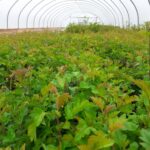

There are so many benefits to choosing native broadleaf (deciduous) trees!
Herein lies an inexhaustive list – do let us know if you have other reasons to buy native broadleaves!
The right tree for the right situation
- Native broadleaves grow in different ground conditions, so you can choose the tree that will do well on your particular type of ground
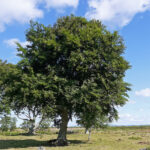
- Our Native trees can make stand out features when positioned prominently
- Native broadleaf trees make fantastic hedges and thrive in a range of different places. These can be as secure (if not more secure) than any fence
- Some native broadleaved species can help with the drainage of places prone to flooding and water retention
- The wide range of native broadleaves means that there is a tree that can grow in almost any environment
Native trees for native wildlife
- Native deciduous trees are a host to a host of local wildlife! Insects, birds and other creatures all benefit. Insects eat the leaves, or eat smaller insects that eat the leaves, birds eat the insects, and so the food chain progresses…
- Birds and invertebrates also shelter and build nests and webs in our native broadleaf trees. While small mammals, rodents and larger creatures use native trees, woodland and hedges for food, shelter, nests and dens/setts.
- Even the fallen leaves in the autumn provide cover and food for a diverse range of species.
- Our diverse, native broadleaved woodlands are invaluable for our native wildlife.
- Forestry and Land Scotland suggest that a single oak, which can live up to 800 years old is host to up to 500 different species… (Conversely, if you bring in a non native species, it will support far fewer invertebrates, and so on. Our native wildlife is adapted specifically to our native trees).
- Think of a bluebell wood – the understory grows because the light can penetrate before the leaves of our native trees grow in early spring. Native Trees for native flora (and fungi!) too!
Did you know?
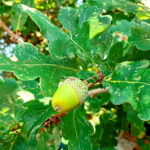
– an oak tree doesn’t produce acorns until it is at least 50 years old!
Productivity
Some varieties of native broadleaf tree can produce timber that is both strong, flexible and long lasting
Conservation of Native Broadleaved Trees
- Native broadleaved trees tend to be chosen for their conservation interest
- Our native broadleaf woodlands are an important part of our heritage
- The value of diverse, natural and ancient woodland in Scotland is recognised for it’s wildlife conservation
- The wildlife which rely on the diversity of our native deciduous trees can themselves be of conservational interest
- Plantlife states that, “certain woodlands in Scotland are of global importance”
- Native broadleaf woodlands are enjoyed by people for many different reasons and should be conserved for future generations
Native Broadleaf Trees are Brilliant (we may be slightly biased, but it’s true!)
Give us a shout (we might be on the other side of the wood) if you’re inspired to plant some native broadleaf trees!